What’s the Difference Between a Dim Sim and a Dim Sum?
If you’ve ever stood in front of a takeaway counter, stared at a bamboo steamer in a restaurant, or scrolled through a menu wondering whether it should be dim sim or dim sum, you’re definitely not alone. It’s one of the most common questions in the world of dumplings – is dim sim the same as dim sum?
Short answer: no.
Long answer: It’s a brilliant story of culture, adaptation, and two delicious food experiences that deserve their own spotlight.
Let’s break it down properly.
Dim Sum: A Whole World of Bite-Sized Joy
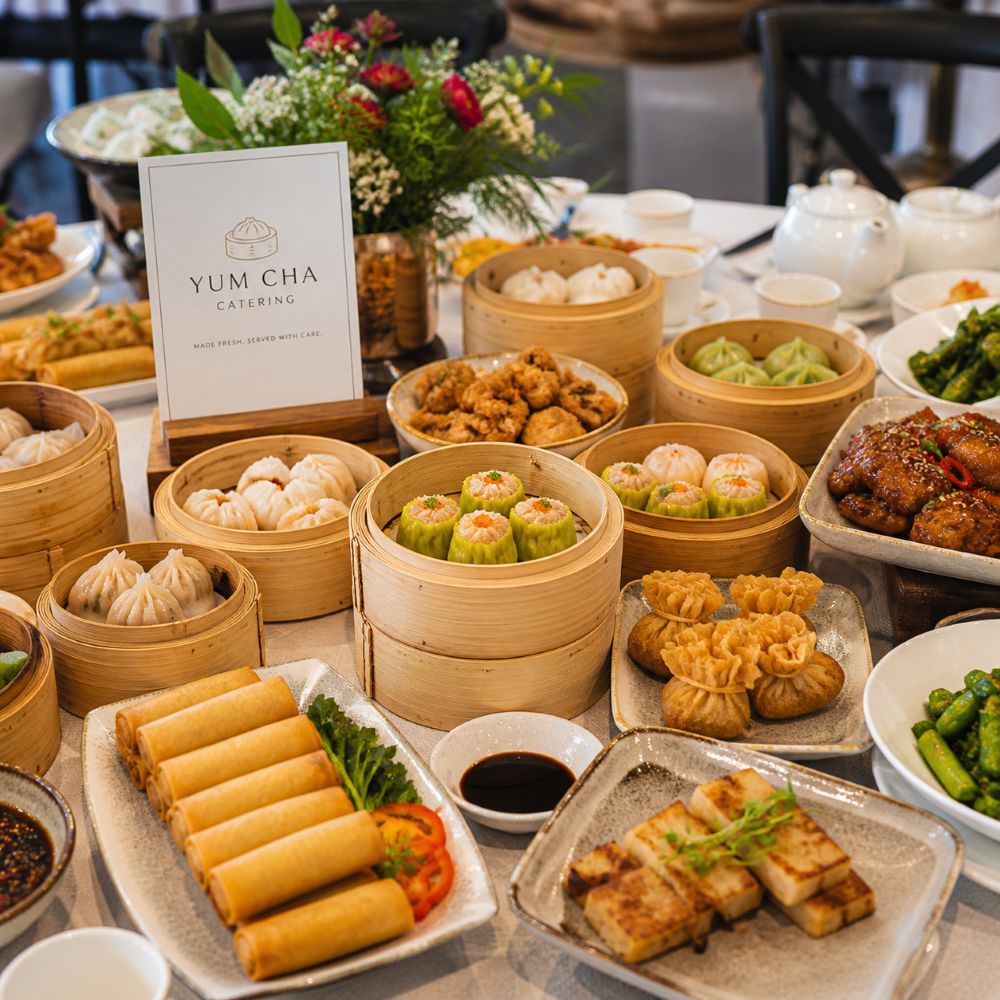
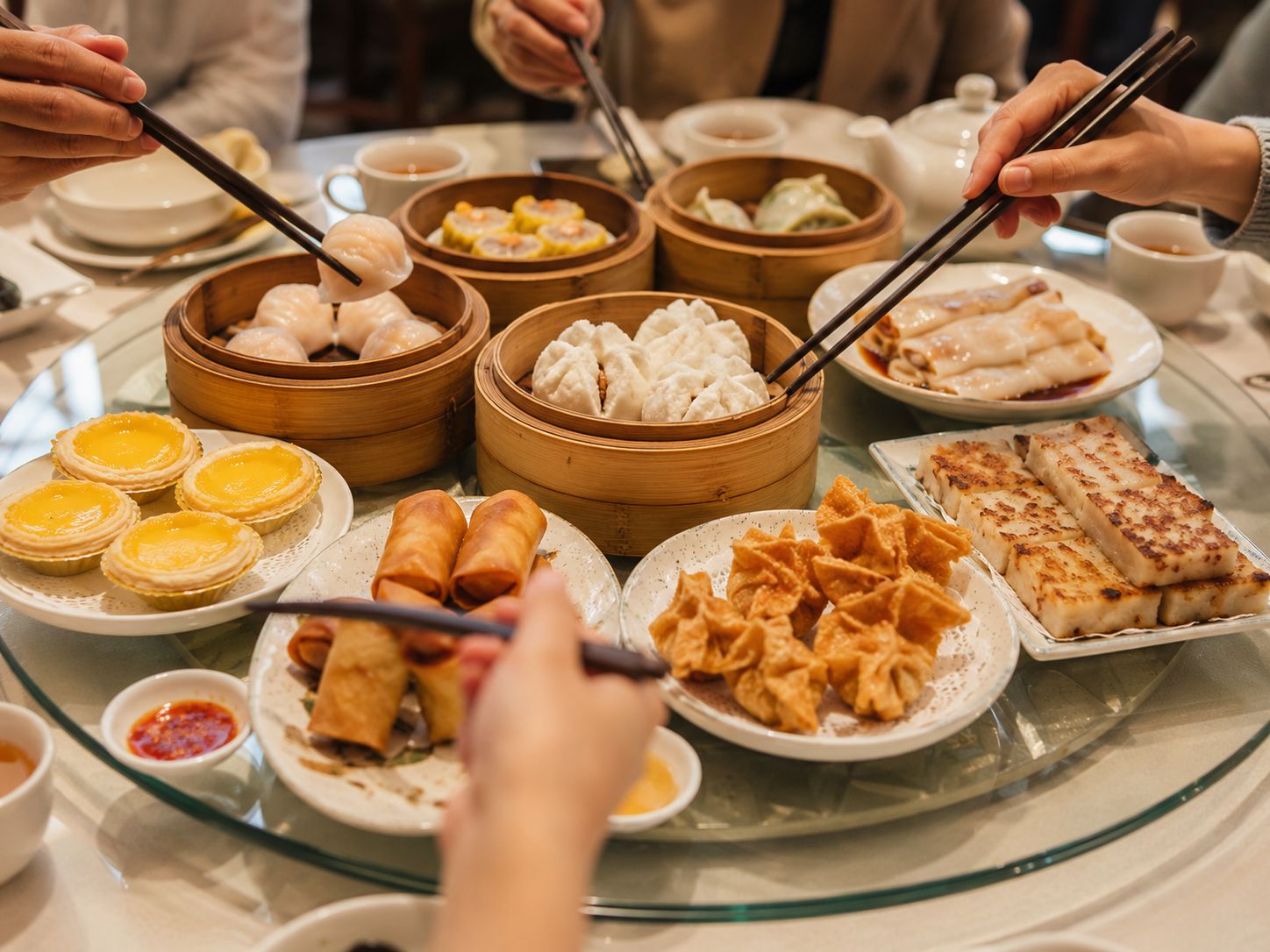
Dim sum isn’t a single food item – it’s an entire culinary tradition. Originating in Cantonese culture, dim sum refers to an assortment of small dishes typically enjoyed with tea. Think of it more like an experience: families and friends gathered around a table, bamboo baskets stacked high, steaming bowls arriving one after another.
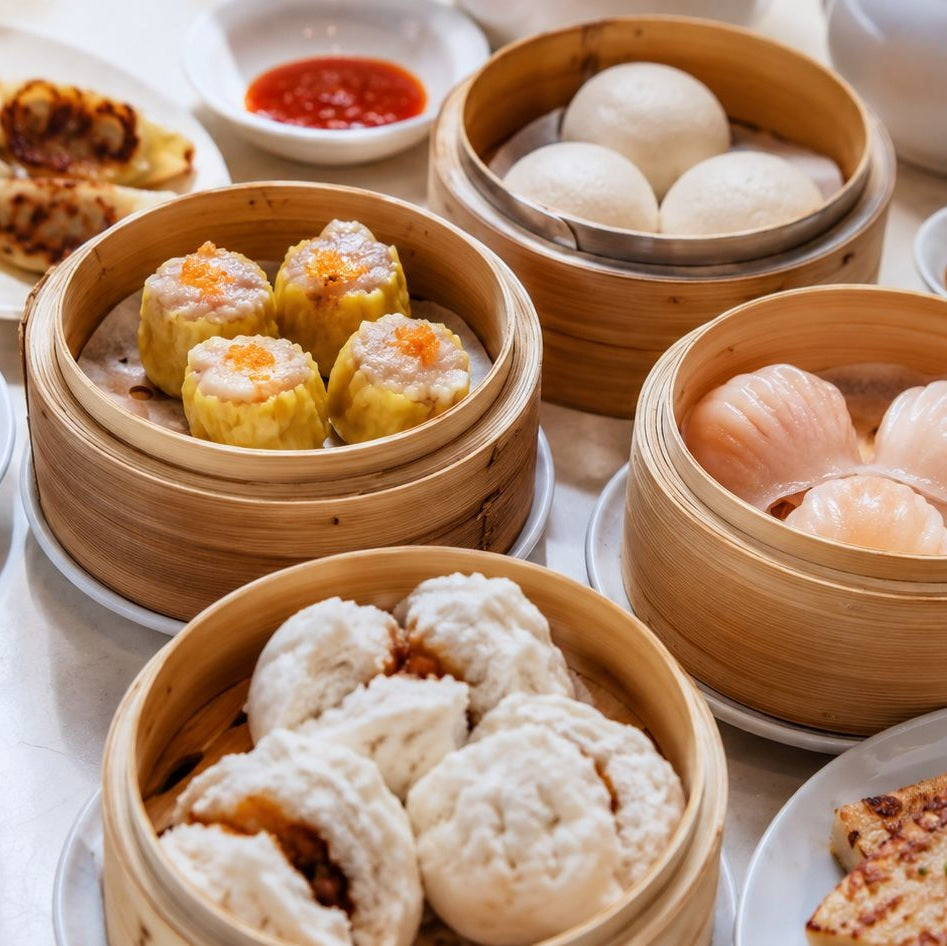
Within dim sum you’ll find classics like har gow (prawn dumplings), siu mai, bao buns, spring rolls, custard buns, and countless regional and modern variations. It’s diverse, intricate, and incredibly expressive. Every dumpling, bun and roll carries its own personality, story, and texture.
So when people talk about dim sum in Australia, they’re really talking about this collection of lovingly crafted bite-sized dishes – not one single snack.
Dim Sim: Australia’s Own Adaptation
Now, dim sim? That’s something very different.
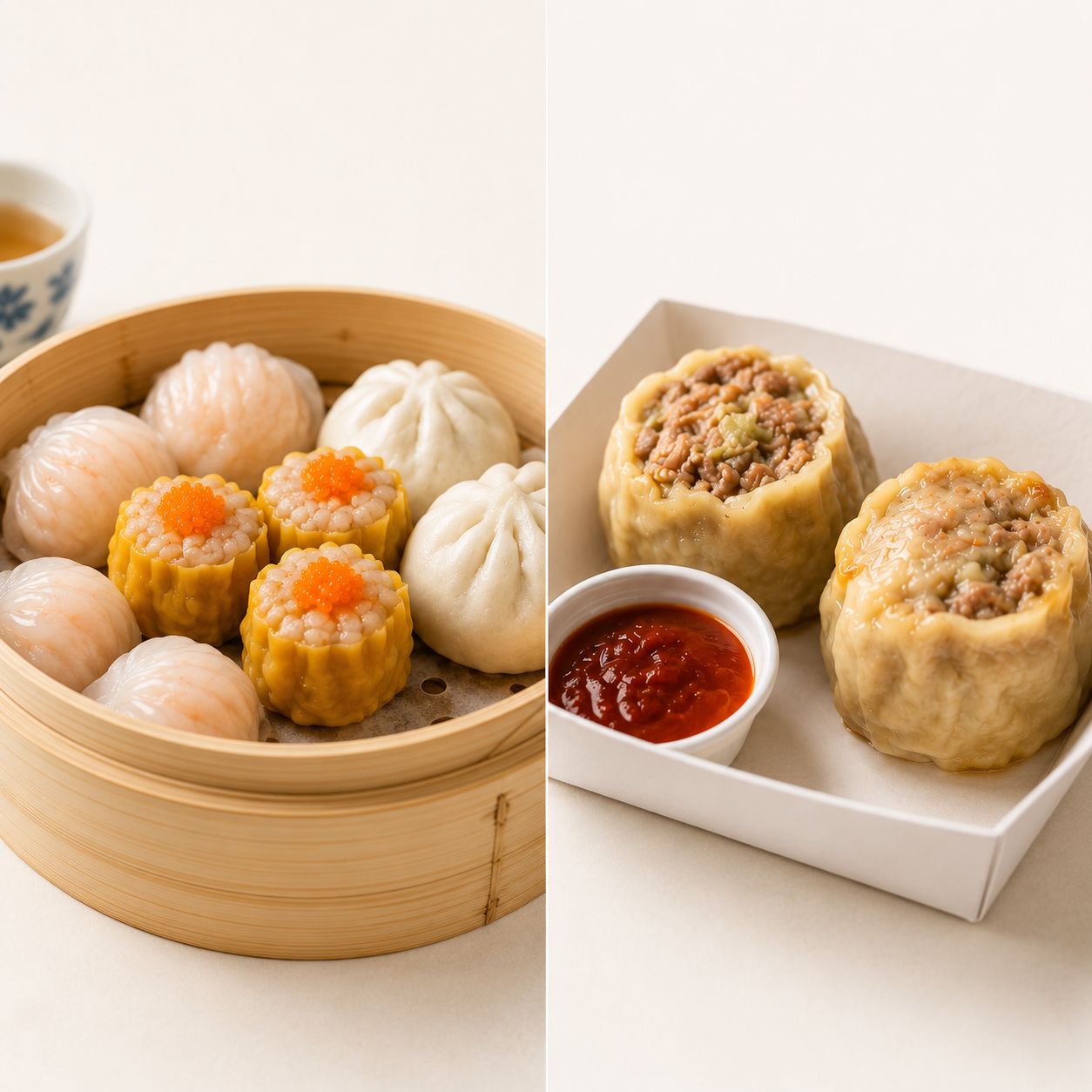
Dim sims are a uniquely Australian creation, inspired by Cantonese cooking but adapted over time to suit local tastes. You’ll find them in fish and chip shops, corner stores, markets, sporting venues, and freezer aisles across the country. Typically, a dim sim is a larger, thicker-skinned dumpling, usually filled with minced meat and cabbage, shaped either round or oblong. They can be steamed or fried and have become a bit of an Aussie icon in their own right.
So when the conversation becomes dim sim vs dim sum, it isn’t about which one is better. They each serve totally different purposes: one is deeply traditional and incredibly varied; the other is a nostalgic, no-fuss local favourite that has taken on a life of its own.
So… Which One Are People Really Looking For?
Because the names sound so similar, it’s easy to mix them up. People often ask, “is dim sim the same as dim sum?” or search where to buy dim sim or dim sum in Australia and get two totally different results. If you’re talking about an entire yum cha spread full of steamed delights, you mean dim sum. If you’re talking about the chunky, takeaway-style dumpling you grew up with, that’s dim sim.
Both deserve appreciation. Both have a place in Australian food culture. And both absolutely hit the spot when that craving shows up.

Bringing the Best of Yum Cha to Australian Kitchens
At House of Yum Cha, our heart sits firmly in that authentic dim sum world – the handcrafted dumplings, bao buns, spring rolls and specialty creations that make people lean over the table and say, “You have to try this.” We’ve built our reputation on understanding tradition, respecting flavours, and making premium yum cha accessible without the stress of making everything from scratch.
Whether you’re a restaurant needing consistency, a caterer looking for crowd-pleasers, or simply someone who wants reliable, high-quality Asian bites without fuss, our range is designed to do exactly that. No shortcuts, no mystery ingredients – just beautifully crafted food that tastes like it should.
So next time someone starts the “dim sim or dim sum” debate, you’ll not only know the difference… you’ll know exactly where to find the good stuff too.